Prior Extinction Beginner Tier List
First unlocks that teach survival without burning your Amber on vanity apexes.
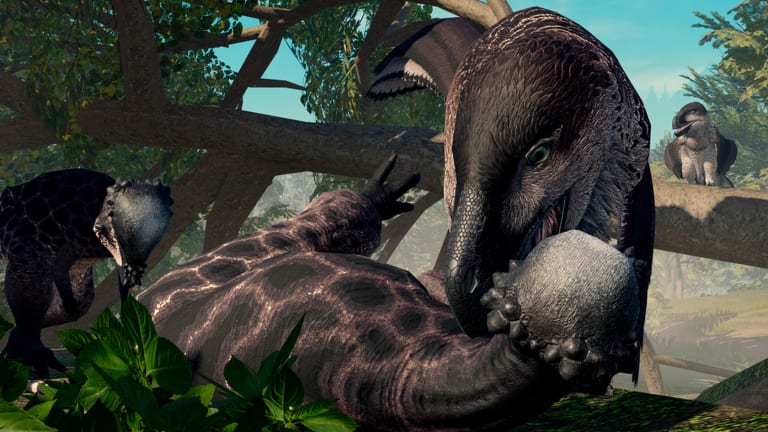
New Prior Extinction players lose Amber, growth time, and patience when they buy a heavy apex too early. This beginner tier list ranks starter-friendly playables by forgiveness, learning value, and early economy—not by how scary they look in the menu. Pair it with the overview on Tier List Hub, the fight-focused Combat Tier List, and the Getting Started guide.
Prior Extinction is a released Roblox dinosaur survival game with online multiplayer packs. Roughly forty-five playables span dinos and paleo animals across AI Tier and Tier 1–8 by weight. Heavier adults sit higher on the weight ladder, but beginners usually win by starting smaller, faster, or on tanky herbivores that forgive bad fights.
What “beginner strong” means here
We score starters on five practical axes:
- Escape tools — can you leave a bad trail before a mid carnivore finishes you?
- Food access — can you keep wellbeing high without contested carcasses?
- Amber efficiency — does the species reward long AFK-safe or low-risk sessions?
- Skill transfer — does playtime teach crouch, stamina, nesting, and pack calls?
- Unlock friction — is it free, cheap Amber, or gated behind mastery you do not have yet?
Prestige apexes can sit in C for beginners even if they are A for veterans. Recode ambush testing also means foliage awareness matters earlier than it used to; even herbivore starters should glance at bush lines.
Beginner S tier — buy or grow these first
Fast learners (speed niche)
- Gallimimus — Classic speed safety. You learn map lanes, predator angles, and when to disengage. Weak in face trades, excellent for surviving crowded spawns.
- Deinonychus — Small pack hunter that teaches bleed timing and group calls. Solo it is riskier; with friends it jumps in value.
- Utahraptor / similar mid raptors — Slightly heavier pack pressure once you understand stamina. Still more forgiving than apex growth.
Tanky herbivore teachers
- Kentrosaurus — Mid tank with clear spacing lessons. Often appears in weekly Amber boost rotations for smaller dinosaurs, which helps early economy.
- Sauropelta — Armored mid body that rewards facing threats instead of panicking. Good nest-guard homework.
- Scelidosaurus / Camptosaurus-style mid herbivores — Lower drama growth loops while you learn wellbeing and territory.
Early grind foundation
- Long-neck aspirational path — You may not unlock Sauroposeidon on day one, but understanding why long necks historically print Amber (passive rates, territory + wellbeing) keeps your goals honest. Farm cheaper herbivores first, then graduate.
Beginner A tier — strong second unlocks
| Pick | Why it works | Watch out for |
|---|---|---|
| Ceratosaurus | Solo mid hunter with readable matchups | Overcommitting into packs |
| Concavenator | Ambush-friendly learning carnivore | Crouch timing after Recode |
| Styracosaurus | Horned tank that holds ground | Being rotated by bleed teams |
| Tenontosaurus | Mid herbivore with flexible routes | Apex patrols on open flats |
| Dilophosaurus | Teaches stalk-and-burst habits | Losing stamina mid chase |
| Protoceratops | Cheap early tank lessons | Outgrown by mid carnivores fast |
These picks sit above pure vanity unlocks because each teaches a combat or economy habit you will reuse on heavier species listed in the Dinosaur Roster.
Beginner B tier — fine after basics
- Semi-aquatic options such as Sarcosuchus once you can read water lanes and nest safely near shore.
- Pure speedsters that win escapes but stall Amber if you never settle into a grind loop.
- Mid ceratopsians that feel strong until you meet coordinated packs.
- Flyer-adjacent or tiny playables that struggle when the server stacks hot biomes.
B-tier starters are not bad. They are simply easier to misplay before you finish Getting Started habits: keep wellbeing high, nest for territory when it makes sense, and stop fighting every silhouette on the horizon.
Beginner C tier — wait
- Full apex carnivores (Tyrannosaurus, Saurophaganax, Acrocanthosaurus, heavy elders) before you can manage growth stages. Babies still sit near Tier 1 and die like Tier 1.
- Ultra-heavy herbivores bought only for flex skins.
- Mastery-gated species you cannot even purchase yet.
- Anything you unlocked only because a cosmetic egg looked cool—claim eggs from Codes, but spend Amber on survivable bodies first. Track morph goals on Eggs and Skins.
Recommended first-week path
- Redeem codes using the live list on Codes and tick them off in the Code Checklist. Free Amber and Melanistic, Leucistic, Garden, or Retro eggs accelerate the start.
- Pick one speedster and one tank herbivore. Alternate sessions so you learn escape and face-tank habits.
- Join or form a pack for online co-op. Prior Extinction rewards coordinated hunters and nest watches more than lone hero plays.
- Plan Amber with the Amber Planner. Note wellbeing percent impact, territory’s roughly +15% Amber concept, and species-specific passive rates.
- Ignore script hype. If you ever read that topic, use Scripts Hub only for safety context—not as a progression shortcut.
- Recheck Recode notes on Updates Hub and Recode Update so ambush foliage changes do not surprise your herbivore routes.
Growth stage tips beginners miss
- All babies behave like low tiers. A future Tier 6 adult is still snack-sized early; play scared until mass catches up.
- Elder stages can bump weight class. Your “safe mid” can suddenly attract apex attention.
- Wellbeing drives growth and Amber. Hungry, dehydrated, or stressed animals grind poorly even if the species is S-tier on paper.
- Territory nesting is an economy skill, not only a roleplay prop. Pair it with the planner tool before you commit hours.
- Pack chat beats pride. Call out ambush bushes after Recode crouch rules go live.
Beginner FAQ-style matchups
“I want to hunt on day one.” Take Deinonychus or Dilophosaurus, stay near packmates, and avoid elder apex trails. Read Combat Tier List before you contest nests.
“I want chill Amber.” Stay on mid herbivores, learn long-neck goals, keep wellbeing high, and use territory when safe. Sauroposeidon remains the historic north star for grinders.
“I keep dying in bushes.” Practice crouch awareness now. Recode testing lets carnivores go transparent after roughly ten seconds crouched in foliage, then spend a burst window. Herbivore beginners should rotate feeding spots and watch tree lines.
“Should I buy skins or dinos first?” Dinos and growth first. Eggs from events and codes are bonuses; see Eggs and Skins after you own a stable main.
Cross-links to keep open
- Tier List Hub — ranking method and niche map
- Combat Tier List — ambush and PvP value
- Players Hub — roster and cosmetics
- Tools Hub — Amber and code utilities
- Guides Hub — broader walkthroughs
Start humble, stack Amber, and graduate niches on purpose. Prior Extinction rewards players who treat the first week like boot camp, not a museum shopping spree.
Frequently Asked Questions
Quick answers about Prior Extinction on Roblox.
What is the best beginner dinosaur in Prior Extinction?
There is no single best pick. Most new players should start with a fast escape species like Gallimimus or a tanky mid herbivore like Kentrosaurus or Sauropelta before buying apex carnivores.
Should beginners buy Tyrannosaurus or other apexes early?
Usually no. Apex babies still play like low tiers and punish mistakes. Learn wellbeing, nesting, and pack habits on mid bodies first.
Are herbivores better than carnivores for starters?
Tanky herbivores are often safer for solo Amber grinding. Carnivores are fine if you have a pack and accept higher fight risk.
How do codes help beginners?
Active codes can grant Amber plus Melanistic, Leucistic, Garden, or Retro eggs. Redeem them early, then spend Amber on survivable unlocks.
Does Recode change beginner advice?
Yes for awareness. Crouch-in-foliage ambush testing means even starter herbivores must watch bush lines and rotate feeding spots.
Where should I go after this list?
Read Combat Tier List for fight niches, Dinosaur Roster for species roles, and Amber Planner before large purchases.